

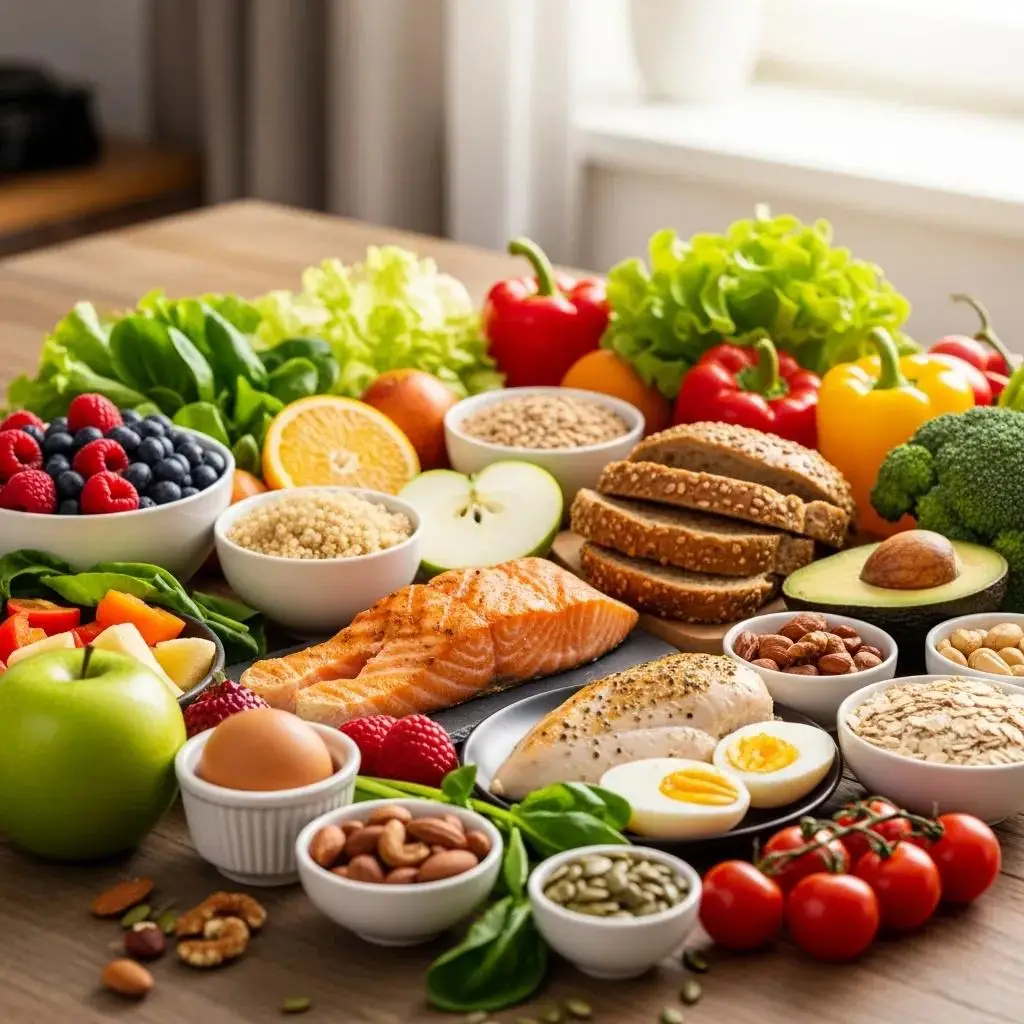
Effective Nutrition Strategies for Weight Loss and Fat Burn: Evidence-Based Guidance for Optimal Results
This article was written and reviewed by Dr. Shiv Kumar Goel, MD, a Mount Sinai-trained physician and nutrition specialist at Prime Vitality Care, San Antonio’s leading medical weight loss clinic.
Achieving weight loss and fat burn requires a strategic approach to nutrition that is both effective and sustainable. With over 20 years of clinical experience helping patients transform their bodies through strategic nutrition, Dr. Goel shares evidence-based strategies that deliver lasting fat loss results. This article delves into evidence-based nutrition strategies that can help individuals reach their weight loss goals while promoting overall health. Readers will learn about various dietary approaches, the importance of macronutrient balance, and how meal planning can enhance their weight loss journey. Additionally, we will explore the role of gut health and hormone optimization in weight management, as well as practical tips for sustainable practices. By understanding these concepts, individuals can create a personalized weight loss diet plan that aligns with their unique needs.
Evidence-Based Nutrition for Sustainable Fat Burn and Weight Loss
Dietary approaches play a crucial role in weight loss and fat burn. Various methods, such as whole-food diets, elimination diets, and personalized meal plans, can significantly impact an individual’s success. Whole-food diets emphasize the consumption of unprocessed foods, which are nutrient-dense and promote satiety. Elimination diets, on the other hand, remove specific food groups that may contribute to weight gain or inflammation, allowing individuals to identify food sensitivities. Personalized meal plans, tailored to individual preferences and nutritional needs, can enhance adherence and effectiveness.
Studies underscore the effectiveness of individualized dietary guidance in promoting healthy eating habits and improving overall dietary quality.
Personalized Diet Counseling for Healthy Eating
Individualized diet counselling was provided by a registered dietitian at baseline and at 3, 6, and 12 months. In brief, the initial focus of the dietary intervention was on dietary strategies to promote a healthy eating pattern, including increased intake of fruits, vegetables, and whole grains, and reduced intake of processed foods and sugary drinks.
Nutrient intake and dietary quality changes within a personalized lifestyle intervention program for metabolic syndrome in primary care, P Brauer, 2019
For those seeking personalized care options, Prime Vitality Care offers tailored nutrition strategies that align with individual health goals. In our weight loss clinic, their physician-led approach ensures that clients receive comprehensive support throughout their weight loss journey. Patients who adopt these nutritional protocols at our clinic consistently experience improved outcomes.
Macronutrient Balance
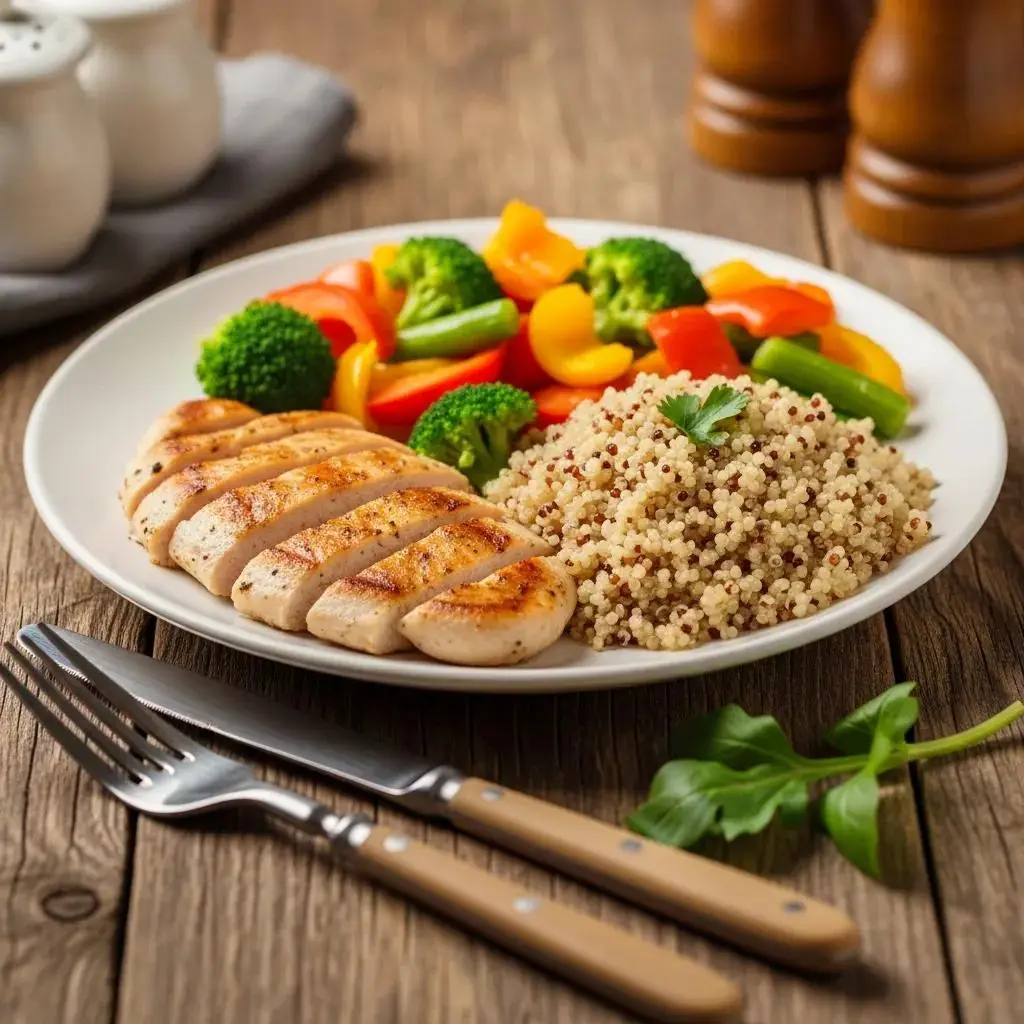
Macronutrient balance is essential for effective weight loss. A well-rounded diet should include adequate protein, healthy fats, and fiber-rich foods. Protein is vital for muscle preservation during weight loss, while healthy fats provide essential fatty acids that support overall health. Fiber-rich foods promote satiety and aid in digestion, making them a key component of any weight loss diet plan. Striking the right balance among these macronutrients can optimize fat metabolism and enhance overall well-being.
Research highlights the significant role protein plays in regulating body weight through its impact on satiety and diet-induced thermogenesis.
Protein, Thermogenesis, and Weight Regulation
The main determinants of diet-induced thermogenesis are the energy content and the protein- and alcohol fraction of the diet. Protein plays a key role in body weight regulation through satiety related to diet-induced thermogenesis.
Diet induced thermogenesis, KR Westerterp, 2004
Meal Planning
Effective meal planning is a cornerstone of successful weight loss. Structured meal plans help individuals stay on track by providing clear guidelines on portion sizes and food choices. Mindful eating techniques, such as paying attention to hunger cues and savoring meals, can further enhance the meal planning process. By preparing meals in advance, individuals can avoid impulsive eating and make healthier choices that align with their weight loss goals. Our clinical experience demonstrates that consistent meal planning significantly improves adherence and results.
Gut and Hormone Rebalancing
Gut health and hormone balance are critical factors in weight management. A healthy gut microbiome supports digestion and nutrient absorption, while also influencing metabolism. Hormonal imbalances can hinder weight loss efforts, making it essential to monitor hormone levels and address any issues. Strategies for gut health optimization include consuming probiotics and prebiotics, which can enhance the diversity of gut bacteria. Additionally, hormone monitoring can help identify areas for improvement, leading to more effective weight loss strategies.
Prime Vitality Care emphasizes the importance of physician-led care in hormone optimization, offering services that support individuals in achieving hormonal balance for improved metabolic function. In our weight loss clinic, hormone optimization is a key component of personalized care plans.
Behavioral and Lifestyle Factors
Behavioral and lifestyle factors significantly impact weight loss outcomes. Stress management and sleep optimization are two critical areas that can influence an individual’s ability to lose weight. Chronic stress can lead to emotional eating and weight gain, while insufficient sleep can disrupt hormonal balance and increase cravings. Implementing stress-reduction techniques, such as mindfulness and regular physical activity, can enhance overall well-being and support weight loss efforts.
Sustainable Practices

Sustainable eating practices are vital for long-term weight management. Focusing on metabolic flexibility allows individuals to adapt their diets to various situations without compromising their health goals. Long-term lifestyle changes, such as incorporating more whole foods and reducing processed food intake, can lead to lasting results. By prioritizing sustainability, individuals can maintain their weight loss achievements and promote overall health.
Support and Monitoring
Support and monitoring are essential components of a successful weight loss journey. Working with healthcare professionals can provide individuals with the guidance and accountability needed to stay on track. Regular progress monitoring helps identify areas for improvement and reinforces positive behaviors. Engaging in support groups or seeking professional advice can enhance motivation and provide valuable insights into effective weight loss strategies. Our clinical experience demonstrates that ongoing support significantly improves long-term success.
Which Foods Are Most Effective for Burning Fat?
Certain foods are particularly effective for burning fat due to their unique properties. Incorporating these fat-burning foods into a balanced diet can enhance weight loss efforts.
These foods not only support fat metabolism but also contribute to overall health and well-being.
What Thermogenic Nutrients Enhance Fat Metabolism?
Thermogenic nutrients play a significant role in enhancing fat metabolism. These include compounds like caffeine, capsaicin, and green tea extract, which can increase energy expenditure and promote fat oxidation. By incorporating these nutrients into a weight loss diet plan, individuals can potentially accelerate their fat-burning processes.
How Do Specific Fat Burning Foods Support Weight Loss?
Specific fat-burning foods support weight loss by enhancing metabolic processes and promoting satiety. Foods rich in protein, such as lean meats and legumes, require more energy for digestion, leading to increased calorie expenditure. Additionally, fiber-rich foods help regulate appetite and prevent overeating, making them essential for effective weight management.
How Can You Design a Personalized Weight Loss Meal Plan?
Designing a personalized weight loss meal plan involves understanding individual nutritional needs and preferences. A successful plan should include a variety of foods that provide essential nutrients while promoting satiety.
What Macronutrient Ratios Optimize Fat Loss?
Optimal macronutrient ratios for fat loss typically include higher protein intake, moderate healthy fats, and sufficient carbohydrates to support energy levels. A common approach is to aim for a ratio of 40% protein, 30% fats, and 30% carbohydrates, though individual needs may vary based on activity levels and metabolic rates.
How Does Meal Timing Influence Metabolic Efficiency?
Meal timing can significantly influence metabolic efficiency. Eating smaller, more frequent meals throughout the day can help stabilize blood sugar levels and prevent energy crashes. This approach may enhance fat oxidation and support weight loss efforts, making it a valuable strategy for individuals looking to optimize their nutrition.
What Role Does Hormone Optimization Play in Metabolism and Fat Burn?
Hormone optimization plays a crucial role in metabolism and fat burn. Hormones such as insulin, cortisol, and leptin influence appetite, energy expenditure, and fat storage. Maintaining hormonal balance is essential for effective weight loss, as imbalances can lead to increased cravings and difficulty losing weight.
How Does Hormone Balance Affect Weight Loss Outcomes?
Hormone balance directly affects weight loss outcomes by regulating appetite and metabolism. For instance, elevated cortisol levels due to stress can lead to increased fat storage, particularly in the abdominal area. Conversely, balanced hormones can promote fat loss and improve overall metabolic function.
Which Medical Therapies Support Hormone Optimization?
Medical therapies that support hormone optimization include bioidentical hormone replacement therapy and other functional medicine approaches. These therapies can help individuals achieve hormonal balance, leading to improved metabolic function and enhanced weight loss results. Consulting with healthcare professionals can provide valuable insights into the most appropriate therapies for individual needs. At Prime Vitality Care, we offer advanced options including semaglutide and lipotropic injections as part of comprehensive medical weight loss programs.
How Does Hydration and Anti-Inflammatory Nutrition Support Weight Management?
Hydration and anti-inflammatory nutrition are critical components of effective weight management. Staying adequately hydrated supports metabolic processes and can help control appetite. Anti-inflammatory foods, such as fruits, vegetables, and healthy fats, can reduce inflammation and promote overall health, making them essential for weight loss.
What Are the Benefits of Hydration for Metabolic Rate?
Hydration plays a vital role in maintaining metabolic rate. Studies have shown that even mild dehydration can lead to a decrease in metabolic efficiency. Drinking sufficient water can enhance energy expenditure and support fat oxidation, making it an essential factor in any weight loss strategy.
Which Anti-Inflammatory Foods Promote Fat Loss?
Anti-inflammatory foods that promote fat loss include berries, fatty fish, nuts, and leafy greens. These foods are rich in antioxidants and omega-3 fatty acids, which can help reduce inflammation and support overall health. Incorporating these foods into a balanced diet can enhance weight loss efforts and improve metabolic function.
About the Author
Dr. Shiv Kumar Goel is a Mount Sinai-trained internal medicine physician and nutrition specialist with over 20 years of clinical experience developing personalized nutritional strategies for weight loss, fat reduction, and metabolic optimization. As Medical Director of Prime Vitality Care in San Antonio, Texas, Dr. Goel combines evidence-based nutritional science with functional medicine insights to help patients achieve sustainable fat loss. His firsthand experience working with patients of diverse metabolic profiles has shaped a uniquely effective, data-driven approach to nutrition that delivers real, measurable results.