


Unlock Healing with PRP Therapy
Platelet-Rich Plasma (PRP) therapy has emerged as a revolutionary treatment option for various health concerns, particularly in the realms of healing and rejuvenation. This innovative therapy utilizes the body’s own healing mechanisms to promote tissue regeneration and alleviate pain. In this article, we will explore the biological mechanisms behind PRP therapy, its proven benefits, typical healing times, and how it can be integrated with other natural healing treatments. By understanding these aspects, patients can make informed decisions about their health and wellness journey.
What is Platelet-Rich Plasma Therapy and How Does It Promote Natural Healing?
Platelet-Rich Plasma therapy is a medical treatment that harnesses the healing properties of the patient’s own blood. By concentrating platelets and growth factors, PRP therapy stimulates natural healing processes in the body. This therapy is particularly effective in promoting tissue regeneration and reducing inflammation, making it a popular choice for individuals suffering from joint pain and skin aging. The unique composition of PRP enhances the body’s ability to heal itself, providing a safe and effective alternative to traditional treatments.
Extensive research and clinical trials further underscore PRP‘s significant role in augmenting the body’s natural healing processes for tissue regeneration.
PRP for Wound Healing & Tissue Regeneration
Platelet-rich plasma (PRP) contains a high concentration of platelets than naïve plasma and has an autologous origin with no immunogenic adverse reactions. As a consequence, PRP has gained significant attention as a therapeutic to augment the healing process. Since the past few decades, a robust volume of research and clinical trials have been performed to exploit extensive role of PRP in wound healing/tissue regeneration.
Platelet-rich plasma: a comparative and economical therapy for wound healing and tissue regeneration, 2023
What biological mechanisms enable PRP to stimulate tissue regeneration?
PRP therapy stimulates tissue regeneration through several biological mechanisms. The concentrated platelets release growth factors that play a crucial role in healing. These growth factors enhance blood flow to the affected area, promoting the delivery of essential nutrients and oxygen. Additionally, they stimulate collagen production, which is vital for tissue repair and regeneration. This multifaceted approach not only accelerates healing but also improves the overall quality of the regenerated tissue.
How do growth factors in PRP contribute to healing and rejuvenation?
Growth factors in PRP, such as platelet-derived growth factor (PDGF) and transforming growth factor-beta (TGF-β), are instrumental in the healing process. PDGF promotes cell proliferation and migration, while TGF-β enhances collagen synthesis and tissue remodeling. Together, these growth factors facilitate the repair of damaged tissues and support skin rejuvenation. By understanding the specific roles of these growth factors, patients can appreciate the effectiveness of PRP therapy in addressing various health concerns.
What Are the Proven Benefits and Applications of PRP Therapy?
PRP therapy offers a range of benefits and applications, making it a versatile treatment option for many individuals. Its effectiveness in promoting healing and rejuvenation has been well-documented in various medical studies.
How does PRP therapy aid in joint pain relief and musculoskeletal recovery?
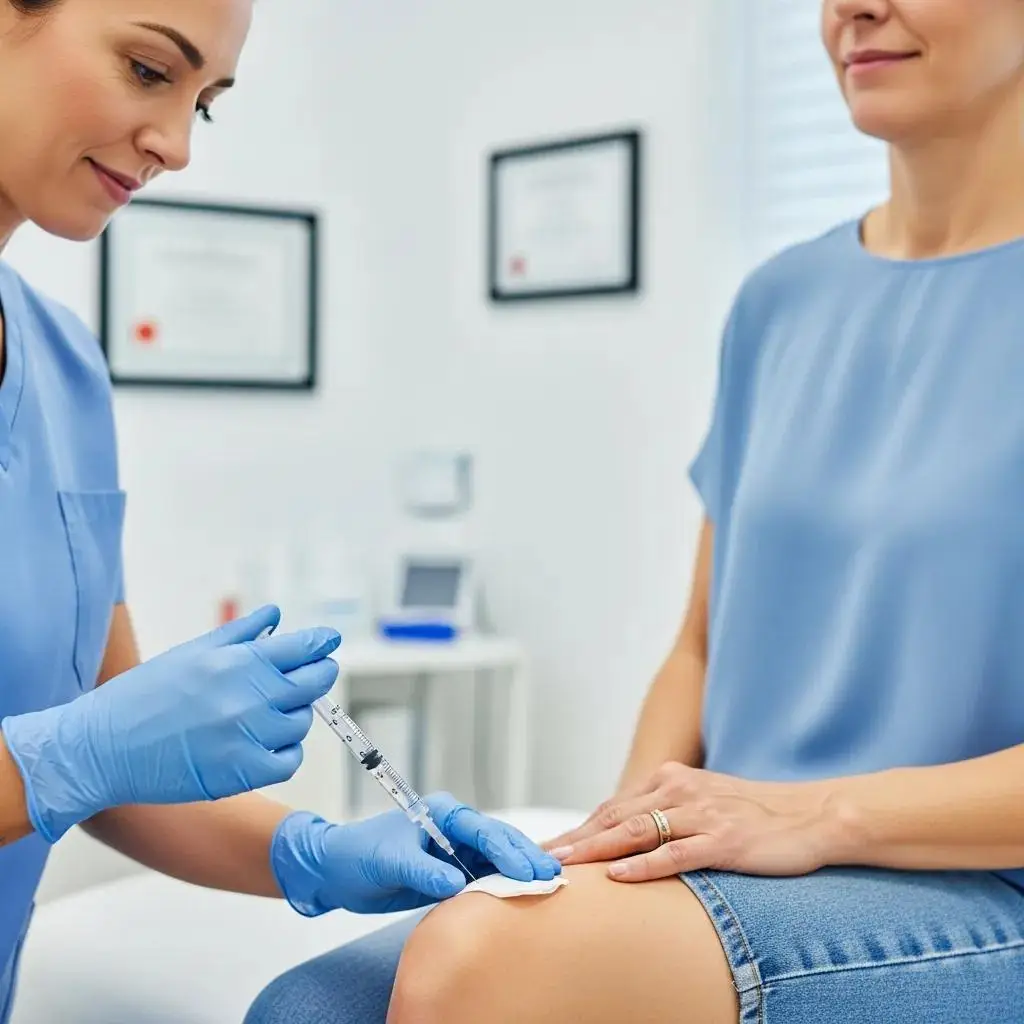
PRP therapy has shown significant promise in alleviating joint pain and facilitating musculoskeletal recovery. By injecting PRP directly into the affected joint, patients often experience reduced inflammation and pain relief. Clinical studies have demonstrated that PRP can enhance recovery timelines for conditions such as osteoarthritis and tendon injuries. Many patients report improved mobility and a return to normal activities within weeks of treatment.
Indeed, studies confirm the widespread utility of PRP in treating various musculoskeletal conditions, including common injuries and degenerative diseases.
PRP Therapy for Musculoskeletal Injuries
Therapeutic PRP application was regarded as useful (89%), possibly even more important in the future (90%). Most common indications were tendon pathologies (77%), osteoarthritis (OA) (68%), muscle injuries (57%) and cartilage damage (51%).
Platelet-rich plasma (PRP) as therapy for cartilage, tendon and muscle damage–
German working group position statement, T Tischer, 2020
In what ways does PRP support skin rejuvenation and anti-aging treatments?
In the realm of aesthetics, PRP therapy is increasingly utilized for skin rejuvenation and anti-aging treatments. The growth factors in PRP stimulate collagen production, leading to improved skin texture and elasticity. Additionally, PRP can be combined with microneedling to enhance its effects, resulting in a more youthful appearance. Patients seeking non-surgical options for skin rejuvenation often find PRP to be a highly effective solution.
What Is the Typical Healing Time After PRP Injections and What Should Patients Expect?
Understanding the healing time associated with PRP therapy is essential for setting realistic expectations. While individual experiences may vary, there are general timelines that patients can anticipate. For more detailed information, you can visit PRP therapy services.
What is the standard PRP injection treatment process and recovery timeline?
The standard PRP injection process involves drawing a small amount of the patient’s blood, processing it to concentrate the platelets, and then injecting it into the targeted area. Patients typically experience mild discomfort during the injection, but recovery is generally quick. Most individuals can resume normal activities within 24-48 hours, although some may experience minor swelling or bruising at the injection site.
Which factors influence individual healing times following PRP therapy?
Several factors can influence healing times after PRP therapy, including the patient’s overall health, the severity of the condition being treated, and adherence to post-treatment care instructions. For instance, individuals with chronic conditions may require longer recovery periods compared to those with acute injuries. Additionally, following a healthy lifestyle and engaging in appropriate rehabilitation exercises can significantly enhance healing outcomes.
How Is PRP Therapy Integrated with Other Natural Healing Treatments and Hormone Optimization?
Integrating PRP therapy with other natural healing treatments can amplify its benefits and support overall wellness. This holistic approach addresses multiple aspects of health, leading to more comprehensive results.
What are the benefits of combining PRP with functional medicine and hormone optimization?
Combining PRP therapy with functional medicine and hormone optimization offers several advantages. Functional medicine focuses on identifying and addressing the root causes of health issues, while hormone optimization ensures that the body operates at its best. Together, these approaches can enhance the effectiveness of PRP therapy by improving the body’s overall healing capacity. Patients often report better outcomes when these therapies are used in conjunction, leading to improved health and vitality. For more information, visit functional medicine.
This table illustrates the diverse applications of PRP therapy and their corresponding benefits, highlighting its versatility as a treatment option.
In conclusion, Platelet-Rich Plasma therapy represents a significant advancement in the field of regenerative medicine. By understanding its mechanisms, benefits, and integration with other treatments, patients can make informed decisions about their health and wellness. For those interested in exploring PRP therapy, consulting with a qualified provider can help determine the best approach tailored to individual needs.
Ensuring optimal safety and appropriate implementation by clinicians is paramount for the effective use of autologous PRP therapies.
Safe Implementation of Autologous PRP Therapy
of autologous PRP for the assurance of optimal safety and for autologous PRP use needs to be integrated by clinicians
… & European regulatory frameworks: practical tools for the appropriate implementation of PRP therapies in musculoskeletal regenerative medicine, 2023
About the Author
Dr. Shiv Kumar Goel, MD – Dr. Shiv Kumar Goel is a highly experienced medical professional and the founder of Prime Vitality Care. With extensive expertise in aesthetic medicine, anti-aging treatments, and holistic wellness, Dr. Goel is dedicated to helping patients look and feel their best through evidence-based, minimally invasive treatments. He brings a patient-first approach to every consultation and procedure at Prime Vitality Care in San Antonio. Last medically reviewed: April 2026. You can learn more about him here.
{“@context”:”https://schema.org”,”@type”:”Person”,”name”:”Dr. Shiv Kumar Goel, MD”,”url”:”https://primevitalitycare.com/“,”jobTitle”:”Medical Professional, Founder”,”description”:”Dr. Shiv Kumar Goel is a highly experienced medical professional and the founder of Prime Vitality Care. With extensive expertise in aesthetic medicine, anti-aging treatments, and holistic wellness, Dr. Goel is dedicated to helping patients look and feel their best through evidence-based, minimally invasive treatments.”,”affiliation”:{“@type”:”Organization”,”name”:”Prime Vitality Care”,”url”:”https://primevitalitycare.com/“},”medicalSpecialty”:[“Aesthetic Medicine”,”Anti-Aging Treatments”,”Holistic Wellness”],”location”:{“@type”:”Place”,”name”:”Prime Vitality Care, San Antonio”},”sameAs”:[]}
Frequently Asked Questions
What conditions can be treated with PRP therapy?
PRP therapy is versatile and can be used to treat a variety of conditions. Common applications include joint pain relief, particularly for osteoarthritis, tendon injuries, and muscle injuries. Additionally, it is effective in skin rejuvenation, helping to improve texture and elasticity. PRP therapy is also being explored for its potential benefits in hair restoration and wound healing. By utilizing the body’s own healing properties, PRP therapy offers a natural approach to managing these health concerns.
Are there any side effects associated with PRP therapy?
PRP therapy is generally considered safe, as it uses the patient’s own blood, minimizing the risk of allergic reactions. However, some patients may experience mild side effects, including swelling, bruising, or discomfort at the injection site. These effects are typically temporary and resolve within a few days. It’s essential for patients to discuss any concerns with their healthcare provider to ensure they are well-informed about the procedure and its potential outcomes.
How many PRP sessions are typically required for optimal results?
The number of PRP sessions needed can vary based on the condition being treated and individual patient factors. Generally, patients may require 1 to 3 sessions spaced several weeks apart to achieve optimal results. For chronic conditions, ongoing maintenance treatments may be recommended. A healthcare provider can assess the specific needs of each patient and develop a tailored treatment plan to maximize the benefits of PRP therapy.
Can PRP therapy be combined with other treatments?
Yes, PRP therapy can be effectively combined with other treatments to enhance overall results. For instance, it is often used alongside functional medicine approaches and hormone optimization to address underlying health issues. Additionally, combining PRP with procedures like microneedling can amplify skin rejuvenation effects. This integrative approach allows for a more comprehensive treatment plan, addressing multiple aspects of health and wellness for patients.
What should patients do to prepare for a PRP therapy session?
Preparation for a PRP therapy session typically involves a few key steps. Patients are advised to stay well-hydrated and avoid taking anti-inflammatory medications, such as ibuprofen, for a few days prior to the procedure. It’s also important to discuss any medical conditions or medications with the healthcare provider to ensure safety. Following these guidelines can help optimize the effectiveness of the treatment and enhance recovery.
Is PRP therapy suitable for everyone?
While PRP therapy is a safe and effective treatment for many, it may not be suitable for everyone. Individuals with certain medical conditions, such as blood disorders or active infections, may be advised against undergoing PRP therapy. Additionally, pregnant or breastfeeding women should consult their healthcare provider before proceeding. A thorough evaluation by a qualified professional can help determine if PRP therapy is the right choice for each patient.